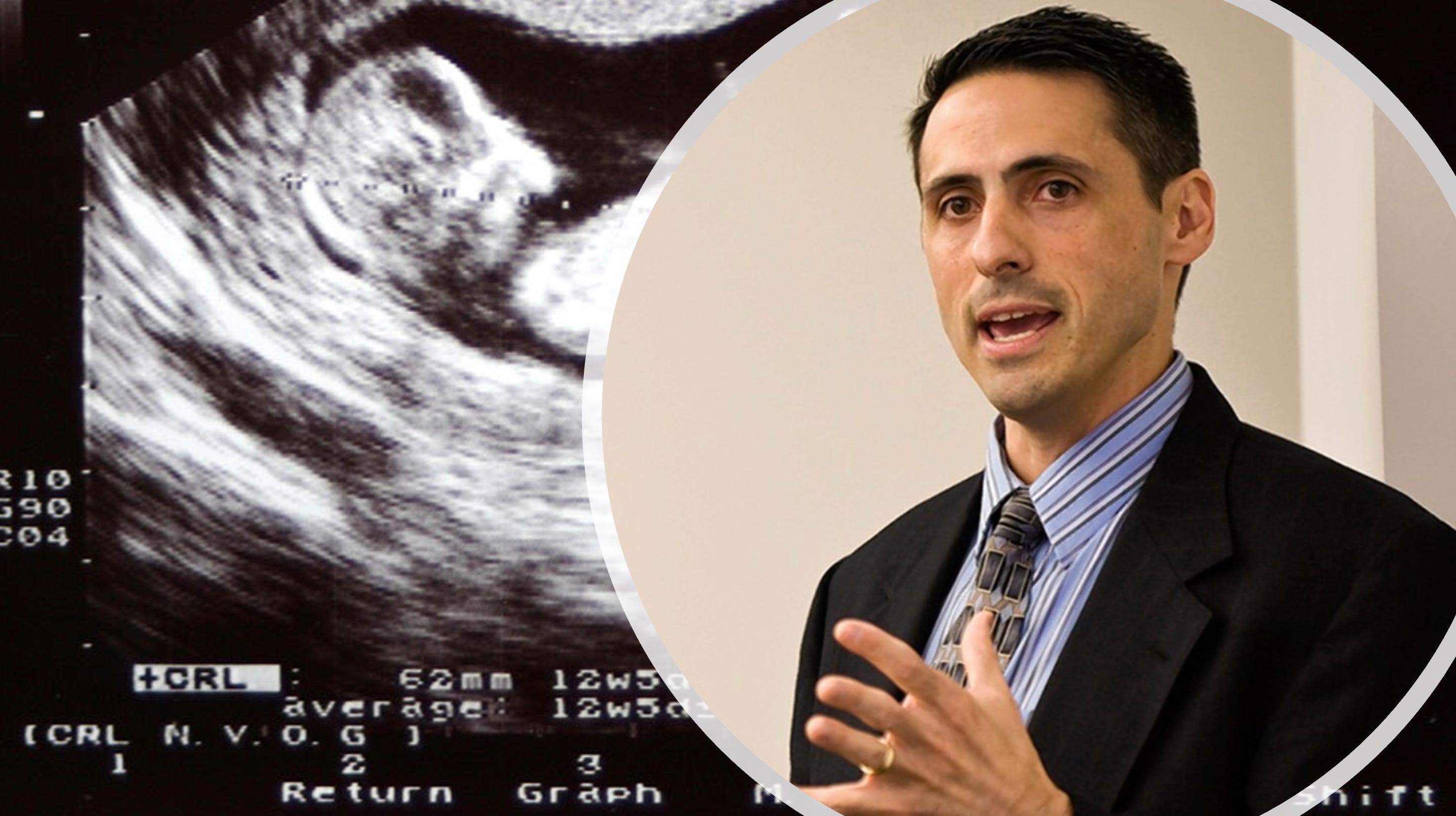
New ACIP member questions ACOG’s transparency after exit from vaccine panel
Last week, the American College of Obstetricians and Gynecologists (ACOG) — the nation’s leading obstetrics body — withdrew as a liaison from the CDC’s Advisory Committee on Immunization Practices (ACIP).
ACOG said it was stepping away over concerns about ACIP’s credibility and invoked “scientific standards” to justify the move.
A newly appointed ACIP member is now turning that standard back on ACOG.
Dr Adam Urato, a Massachusetts obstetrician and long-time ACOG member, says ACOG’s own conduct during the Covid-19 pandemic warrants scrutiny — particularly its support for Covid-19 vaccination mandates in pregnancy.
The mandate era
On 6 December 2021, ACOG issued a joint statement titled “COVID-19 Vaccination During Pregnancy Is Key to Saving Lives.”
The statement did not simply recommend vaccination. It supported mandating the Covid-19 vaccine for pregnant women and stated that pregnancy alone should not be considered grounds for exemption.
At that point, pregnant women had been excluded from the pivotal randomised clinical trials. Dedicated pregnancy trials were initiated later and terminated early after failing to recruit sufficient participants.
ACOG’s position reinforced employment policies that required pregnant women to receive the experimental injections or face consequences.
Urato says that period should not be forgotten.
“Many pregnant women were put into the awful position of being coerced into getting a medical intervention that they didn’t want,” he said, describing the mandates as “cruel and unethical.”
“Make no mistake, this was coercion. These women were threatened with job losses, restricted travel, and participation in society in other ways.”
He recalls that patients repeatedly asked about long-term effects of the vaccines.
“The real answer, the scientific answer, is that we don’t really know,” he said. “We’d never given mRNA vaccinations to pregnant women, ever before, in human history.”
He pointed to historical precedents in obstetrics such as diethylstilboestrol (DES), thalidomide and valproic acid.
“All were ‘safe and effective’ in pregnancy until eventually we discovered that they weren’t,” he said.
Urato’s track record — and vindication
Urato is a Harvard-trained maternal–foetal medicine specialist with decades of experience in high-risk pregnancy care.
He has previously raised concerns about obstetric guidance he believed was not adequately supported by evidence — and was subsequently vindicated.
In 2019, he challenged broad recommendations to routinely administer blood thinners after caesarean sections, arguing that the available data did not justify exposing low-risk women to the risks of anticoagulation.
The controversy drew national attention, and the guidance was later revised and narrowed.
He also raised concerns about the drug Makena, approved to prevent preterm birth, maintaining that the evidence of benefit was weak and that women were being prescribed an expensive therapy without demonstrated effectiveness.
In 2023, the US FDA withdrew the drug from the market after concluding it failed to show clinical benefit.
Those episodes, Urato says, reinforce his view that pregnancy medicine demands a higher evidentiary bar — not a lower one.
The disappearing statement
Today, the December 6, 2021 mandate statement no longer appears in ACOG’s searchable news archive.
ACOG said its removal was part of “regular maintenance of the site” and stated that it “has continued to support the safety of COVID-19 vaccines during pregnancy.”
Urato is unconvinced.
“I don’t buy it,” he said, noting that ACOG’s press releases date back to 2015 — with the exception of the December 2021 mandate statement.
“I’m speculating, but it certainly looks like ACOG tried to cover up this document where they strongly support COVID vaccine mandates in pregnancy. It looks like they tried to scrub it from their website and conceal it from the public.”
When ACOG was asked directly if it still supports mandating Covid vaccination in pregnancy, the organisation did not respond.
To Urato, the refusal to clarify its current position speaks volumes.
“It looks like they are running from the issue of vaccine mandates in pregnancy and their support of these mandates during the pandemic.”
He frames the issue as one of consent.
“If you threaten to take away someone’s livelihood, stop them from traveling, kick them out of school, and prevent them from participating in society in other ways — that’s coercion. And that is fundamentally incompatible with the patient then giving informed consent.”
Funding and influence
Urato also raised broader concerns about ACOG’s financial relationships.
Documents obtained through a 2022 FOIA request by attorney Maggie Thorp show that beginning in February 2021, ACOG was awarded cooperative agreement grants from HHS and the CDC, including one totalling $11.8 million.
The grants were part of the Biden Administration’s Covid-19 Community Corps initiative, which enlisted professional bodies as “trusted messengers” to promote vaccination.
According to Thorp, ACOG described Covid vaccination in pregnancy in 2020 as a personal decision between a woman and her doctor.
But by mid-2021, it had shifted to urging obstetricians to “enthusiastically recommend” the shots — aligning its messaging with the vaccination campaign it was contracted to support.
ACOG recently announced it would stop accepting federal funding under current contracts, although the organisation continues to accept funding from pharmaceutical companies.
ACOG’s 2024–2025 support pamphlet shows contributions from Johnson & Johnson, Kenvue and Moderna, each in the range of $100,000 to $250,000.
ACOG’s current website also lists vaccine manufacturers including CSL Seqirus and GlaxoSmithKline as funding partners.
Urato says the optics matter.
Both ACOG and the American Academy of Pediatrics have supported expanding vaccination in pregnant women and children — policies that, he argues, “directly benefit their Pharma funders.”
Advocating for the most vulnerable
Despite his criticism, Urato said he does not want vaccination to become a polarising issue.
“When it comes to vaccines…we really are all on the same team. We all want healthy mothers and babies and healthy children. And the best way to get there is through open dialogue and transparent scientific discussion.”
What troubles him most, he says, is disengagement.
“The whole attitude we’re seeing now of ‘if I don’t like the game, I’ll just take my ball and go home’ is really absurd. And honestly, most of this seems to be coming from the medical establishment and vaccine advocates.”
“I think the public is likely to conclude that the group that’s afraid to debate and engage is the group with weaker arguments and indefensible positions.”
Urato says restoring trust requires transparency, not a cover-up.
“One key step to restore public trust is to emphasise transparency — to let the public see what’s going on, to let the sun shine in,” he said.
In his view, removing the controversial vaccine mandate statement does not strengthen ACOG’s credibility.
“It reeks of secrecy and concealment — the exact opposite of transparency.”


Not a doctor or researcher. But through reading articles like this, books by Dr Kendriks and others, AMD's excellent articles, Dr. Korry and others...I have absolutely zero trust in any of the 'medical' organizations, especially the AHA, ACOG and AAP.
edit: Should have included - also little to no trust in the doctors that toe the line of these organizations.
Damn. How is it that any of us are alive today when injectables and other pharmaceuticals were not available only a few generations back ?