

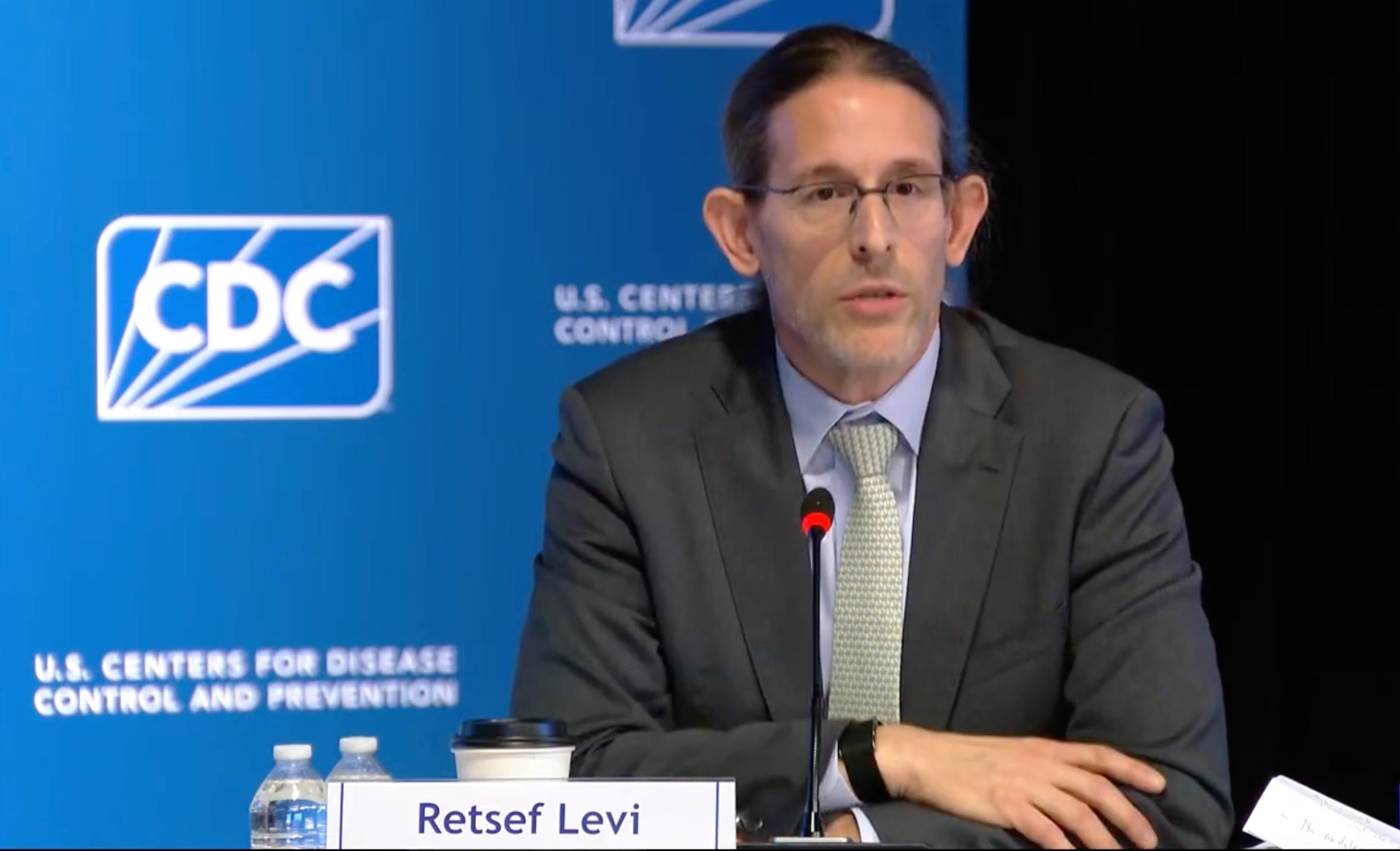
After two days of heated debate, the CDC’s Advisory Committee on Immunisation Practices (ACIP) made the historic decision to end the universal recommendation that all low-risk newborns in the United States receive a hepatitis B shot at birth.
Few figures shaped that discussion more than Professor Retsef Levi, the MIT data scientist whose clear-eyed analysis of evidence gaps — and refusal to gloss over uncertainty — stood out during the deliberations.
Levi has quickly become one of the most closely watched members of ACIP — praised by those who believe the committee urgently needs deeper scrutiny and criticised by those unsettled by his unwillingness to treat assumptions as settled facts.
His exchanges with fellow panellists and his readiness to challenge long-standing policy rationales have made him a defining presence on ACIP.
In this interview, conducted after the vote, Levi explains how the committee arrived at its conclusions.
We discuss the rationale behind the contested ‘2-month threshold,’ the claim by some members that “we know it’s safe,” despite evidence gaps, and the limitations underlying decades of policy.
He also addresses criticisms from Senators and prominent commentators who declined to attend the meeting, and what lies ahead for the workgroups now tasked with reassessing vaccine policy and safety science.