

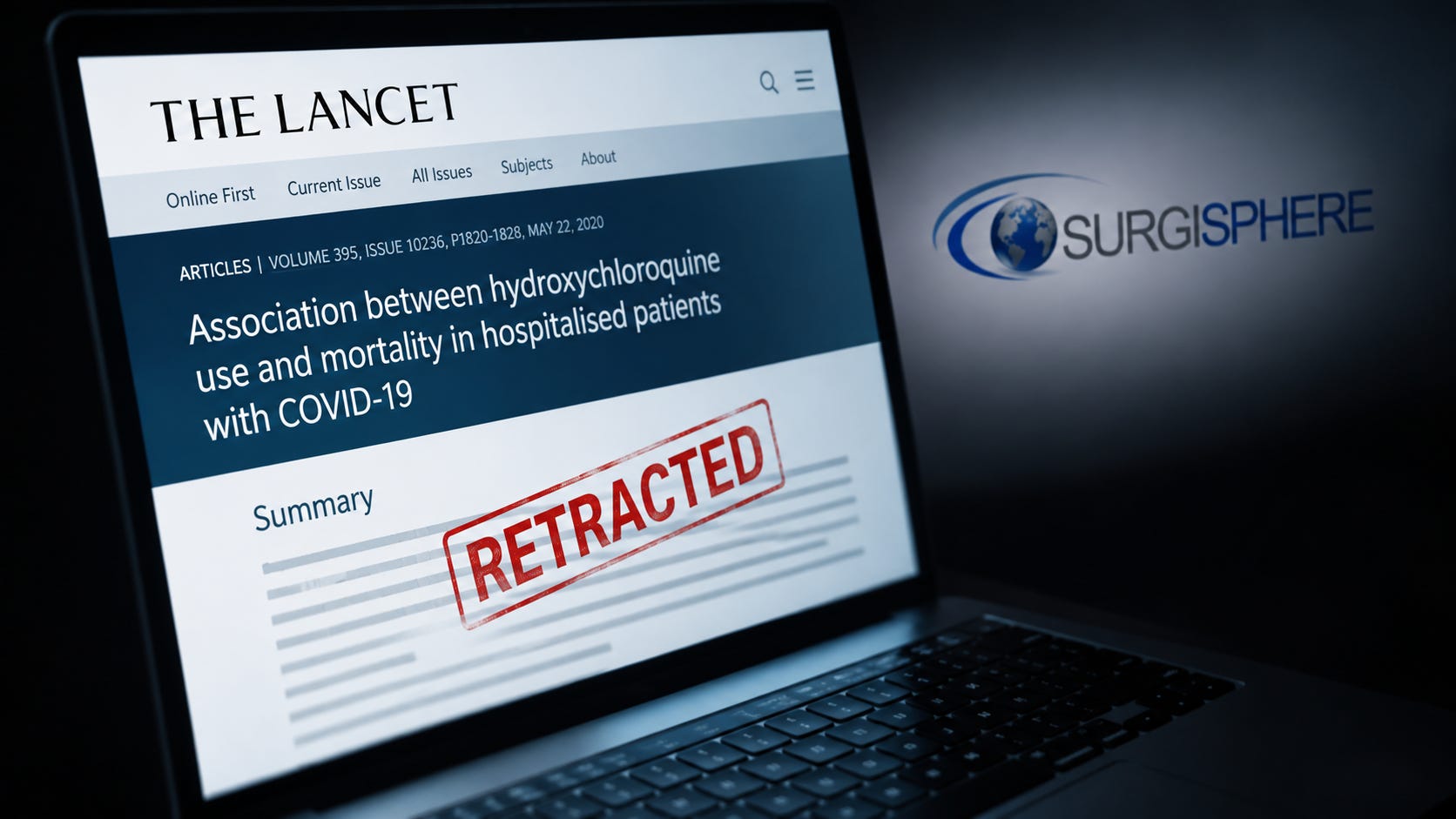
On 22 May 2020, The Lancet published a study that changed the course of the Covid-19 pandemic.
It purported to analyse the medical records of 96,032 patients hospitalised with Covid-19 across 671 hospitals and six continents, delivering a damning conclusion about an old antimalarial drug — hydroxychloroquine.
Patients treated with hydroxychloroquine alone or with a macrolide antibiotic appeared more likely to develop dangerous heart rhythm disturbances and more likely to die.
The study’s findings dealt a major blow to hydroxychloroquine — a cheap, off-patent drug that was already at the centre of a fierce political battle.
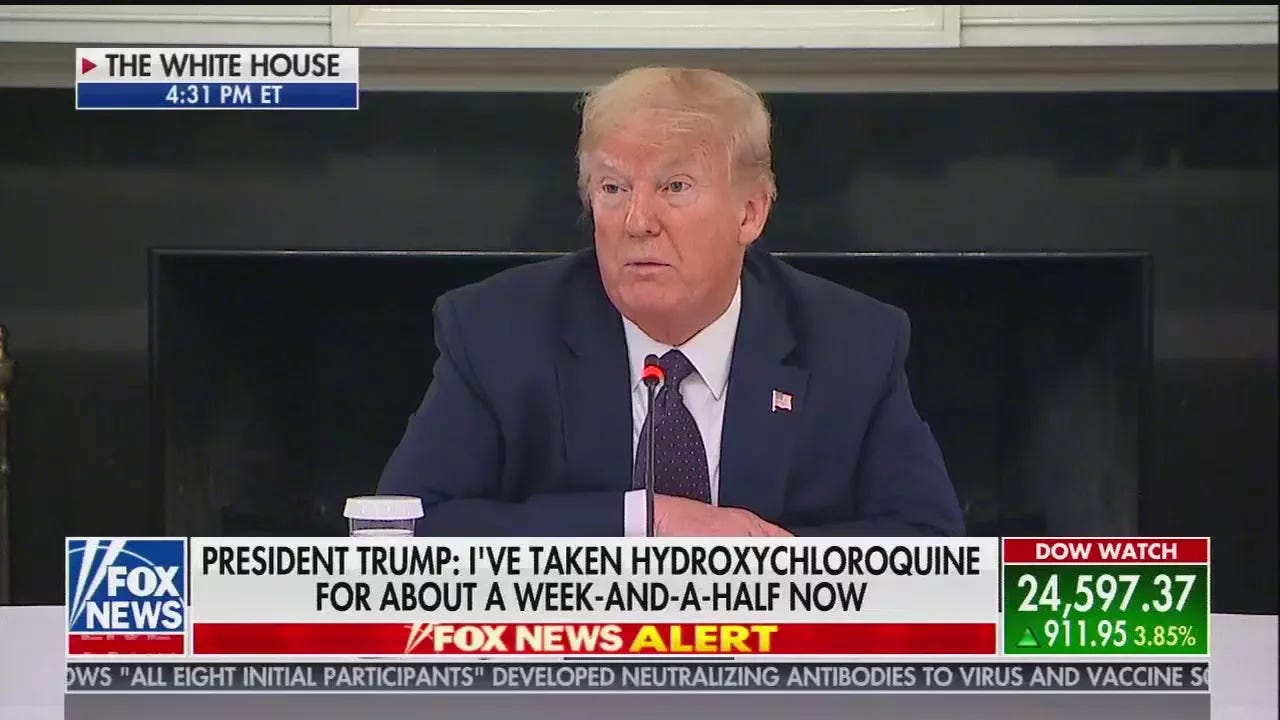
President Donald Trump had publicly championed hydroxychloroquine as a potential Covid treatment and called for research to be accelerated — even revealing that he was taking the drug himself.
Within days of the study appearing in The Lancet, the World Health Organisation suspended the hydroxychloroquine arm of its multinational Solidarity trial. Other trials were interrupted, and treatment policies changed around the world.
The study carried enormous authority because of its size. Nearly 100,000 patient records appeared to provide the kind of real-world evidence clinicians desperately wanted while conventional randomised trials were still underway.
But there was a problem — investigators quickly concluded the database was fake.
The company behind it was Surgisphere, an obscure Chicago operation. What followed was one of the most extraordinary scientific collapses in modern history, exposing how easily global health policy could be swayed by unverified data.
Six years later, Surgisphere is worth revisiting — not as a one-off pandemic anomaly, but because the weakness it revealed in modern healthcare data has only become more consequential.