

By the time people reach their 70s, many are already taking several medications daily.
Adding another drug for the rest of their lives should therefore come with a meaningful benefit, especially when the person is otherwise healthy and has never had a heart attack or stroke.
That question lies at the heart of one of the largest statin trials ever conducted in older people.
The Australian-led STAREE trial enrolled almost 10,000 relatively healthy adults aged 70 and older who had no history of cardiovascular disease, dementia or diabetes, and randomly assigned them to 40mg of atorvastatin or placebo.
The trial was designed to ask not only whether statins could prevent cardiovascular events, but whether they could help older people “prolong good health and maintain independence.”
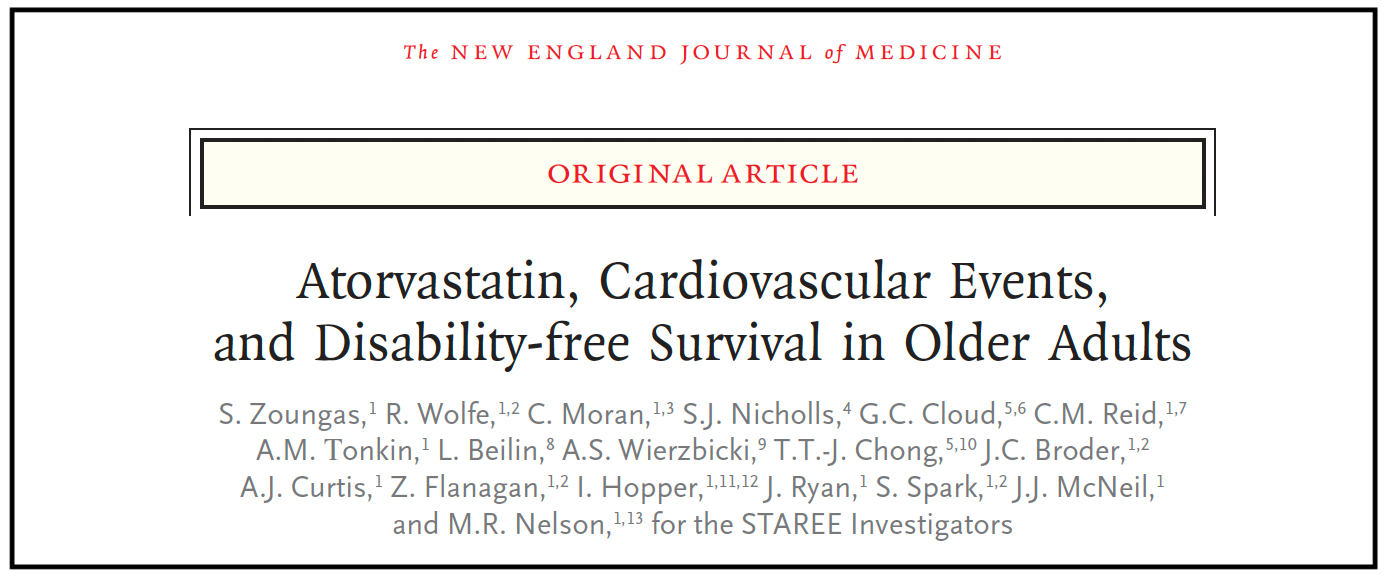
The results were recently published in the New England Journal of Medicine.
As is common with statin trials, the headline sounded impressive.
Atorvastatin, the most commonly prescribed drug in America, reduced major cardiovascular events by 30%.
One might reasonably assume that meant these healthy older people were substantially better off taking a statin.
But an examination of the trial documents, including the protocols, peer-reviewed paper, supplementary data and trial registry, reveals a far more sobering trade-off.